


With the 2026 US Open officially in the books, it’s time to talk about one of the biggest stories from the tournament, and it didn’t happen on the court.
Over the past several years, companies sponsoring the US Open, as well as the tournament itself, have increasingly invited content creators to attend in hopes of introducing tennis to new and younger audiences. It’s a strategy that makes sense. Influencers can bring a different kind of visibility to major events, reaching audiences that traditional sports marketing may not.
But this year, the strategy exposed a growing tension between influencer marketing and the environments in which that content is being created.
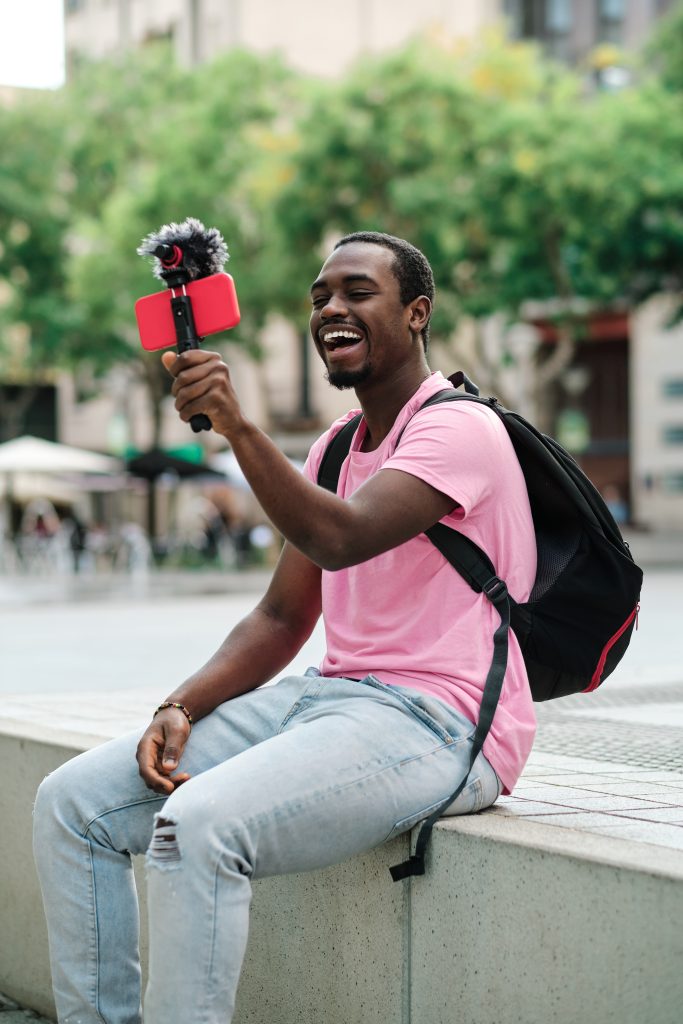
In 2025, the US Open reportedly invited around 50 influencers with creator credentials. This year, that number increased to more than 100. While expanding access may have been intended to increase the tournament’s reach, the influx of content creators also brought a series of disruptions during matches that frustrated players, longtime tennis fans and stadium officials.
Flash photography and ring lights used by content creators became enough of a problem at Louis Armstrong Stadium that it had to issue digital notices and warnings asking attendees to refrain from using flash photography and other lighting during match play.
The issue extended beyond lighting. Players also voiced their frustration with the behavior of some influencer attendees. Jessica Pegula, for example, criticized the rowdy filming taking place during critical moments, describing it as having become “a little too much.”
The reaction from fans was even broader. What may have been intended as an effort to make tennis more accessible to a younger, digitally native audience instead became a conversation about basic sports etiquette and whether the push for social content had gone too far.
And the response did not stop at Flushing Meadows. Wimbledon has since indicated that it will take a different approach to influencer access at its next tournament, underscoring just how quickly the conversation has shifted from influencer marketing strategy to event management.
When reach becomes the priority
None of this means influencer marketing doesn’t belong in sports.
Quite the opposite. Creators can be incredibly effective at introducing sports, brands and experiences to audiences that traditional advertising may struggle to reach. They can make an event feel more accessible, provide behind-the-scenes perspectives and create content that extends the life of an event well beyond the final match.
The challenge comes when maximizing content becomes more important than protecting the experience itself.
A tennis match is not a traditional content studio. Players need concentration. Fans have paid to watch the competition. Broadcasters have invested in capturing the action. And the tournament itself has an obligation to maintain an environment where the sport remains the focus.
That creates an important distinction for brands and event organizers: being invited to an experience does not mean the experience should be built around the creator.
Influencer marketing works best when the creator, the brand and the environment are aligned.
The importance of setting expectations
The US Open situation also highlights a responsibility that falls on the organizations providing access.
If brands and events want creators to help tell their story, they need to clearly communicate what that access looks like before creators arrive.
That means establishing expectations around filming, lighting, movement, timing and interactions with other attendees. It also means recognizing that not every environment is equally suited to the same type of content.
A creator filming a fashion-forward Reel from the concourse is very different from someone using a ring light courtside during a critical point.
The distinction may seem obvious, but as influencer marketing becomes more integrated into major events, formalizing those expectations becomes increasingly important.
The audience you want to attract is watching, too
Perhaps the biggest lesson from the US Open is that influencer marketing has to consider more than the audience an organization is trying to reach.
It also has to consider the audience that is already there.
Tennis fans are not simply consumers of the tournament. They are part of the experience, many with decades of connection to the sport. When a strategy designed to attract a younger audience begins to interfere with the experience of existing fans, brands risk creating a divide between the audience they want to reach and the audience they already have.
That is a communications problem.
The goal of bringing creators into an established community should be to expand the conversation, not disrupt it.
A case study in balance
The events at the 2026 US Open offer a useful case study for brands across industries.
Influencer marketing is not going away. If anything, creator partnerships will continue to become a larger part of how organizations build awareness, particularly among younger audiences.
But access needs to come with accountability.
The most successful partnerships will be the ones that give creators enough freedom to produce authentic content while also respecting the people, places and experiences around them.
For brands, that means asking a few important questions before handing out a credential: What do we want creators to accomplish? What does appropriate participation look like? How will their presence affect the existing audience? And where should the boundaries be?
The answer shouldn’t be to keep creators out.
It should be to bring them in thoughtfully.
Because the lesson from the US Open isn’t that influencer marketing has gone too far. It’s that influencer marketing works best when reach never comes at the expense of respect.


 See More Blogs
Comments