



Grand Theft Auto VI has not been released yet, but it is already creating a public relations conversation in the city that inspired it.
The upcoming game is set in Vice City, Rockstar Games’ fictionalized version of Miami and South Florida. As the November release approaches, local officials have debated whether Miami should embrace the game’s enormous global reach or distance itself from a franchise built around crime and violence.

Miami and Miami Beach have moved forward with plans to allow GTA VI-related marketing, while Miami-Dade County has faced opposition from some commissioners and law enforcement officials who question whether public resources should be associated with the game.
From a communications perspective, the debate raises a broader question: what happens when a fictional portrayal becomes part of a city’s real-world identity?
Miami Has Been Here Before
This is not the first time Miami has wrestled with an entertainment property built around the city’s darker side.
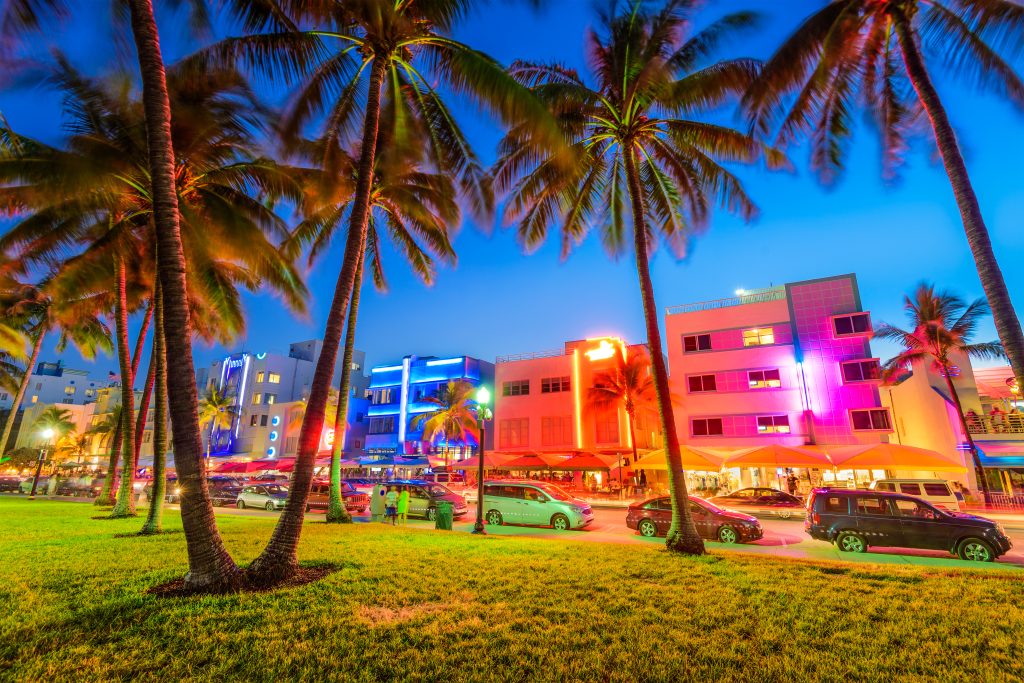
When the TV show Miami Vice premiered in the 1980s, some local leaders worried the show would reinforce Miami’s reputation for crime. Instead, the series became closely associated with the city and helped bring international attention to South Beach, its architecture, nightlife and culture.
GTA VI presents a more complicated version of that challenge. Its portrayal of Miami is considerably darker, but its enormous audience also creates an opportunity for the real city.
That tension is at the center of the current debate.
Supporters of local GTA VI marketing see an opportunity to generate revenue and expose Miami to a global audience. Critics argue that government entities should not associate themselves with a game that depicts violence against police and civilians.
For cities, just as for companies, the challenge is determining when exposure creates an opportunity and when it creates a reputational risk.
The PR Lesson
Miami did not create Vice City. Rockstar Games did.
But because the fictional city draws so heavily from Miami, the two identities are now intertwined in pop culture. The city cannot control the game’s content, but it can control how it responds to the attention.
That distinction is important for any organization navigating an external narrative. Not every association is an endorsement, and not every mention needs to be treated as a threat.
The opportunity is to participate strategically while continuing to define the real brand.
And Miami is now doing more than simply participating in the conversation.
On September 22, a massive “Welcome to Vice City” sign was installed on the roof of the Kaseya Center, the county-owned home of the Miami Heat. The sign is part of Rockstar Games’ marketing campaign and is positioned to be visible from the air as travelers arrive in Miami.
The symbolism is hard to miss. A fictional version of Miami created for a video game is now being promoted from one of the city’s most recognizable real-world landmarks.
That is what makes this more than a traditional advertising campaign. It is a real-time example of how entertainment, place branding and public relations can intersect.
A Different Kind of City Branding
The Miami Vice comparison remains particularly relevant. A portrayal that once concerned local leaders ultimately became part of Miami’s global identity.
GTA VI is a very different case, and the concerns surrounding its content are significant. But the communications challenge is familiar: when someone else tells your story, how do you decide whether to engage?
For Miami, Vice City is fictional. The attention it generates is not.
The city’s decision to engage with that attention, while allowing the conversation around the game to continue, offers a timely case study in how destinations can navigate an external narrative without surrendering their own identity.



 See More Blogs
Comments