


By Annemarie Suarez
A media interview is an opportunity to shape a narrative, establish credibility and communicate a message to an audience. But what happens when the person being interviewed struggles to deliver that message? Hailey Bieber’s recent appearance at The New York Times DealBook Summit offers a timely reminder of how important preparation is, particularly when a conversation has the potential to reach millions of people.
The interview came at a significant moment for Bieber and her beauty brand, Rhode, following its $1 billion acquisition by e.l.f. Beauty. It was an opportunity to discuss the company’s growth, its business strategy and the broader beauty industry. Yet, several of her answers came across as hesitant, drawing attention to the way she responded rather than solely to the business story she was there to discuss.

Naturally, audiences do not know what preparation took place behind the scenes. An interview viewed online cannot tell us whether a spokesperson reviewed anticipated questions, participated in media training or worked with a communications team beforehand. Still, the public-facing conversation raises an important question: How different might the interview have been with more deliberate preparation?
For public figures, executives and business leaders, media interviews are rarely just conversations. They are opportunities to communicate an organization’s priorities, establish trust and reach audiences beyond its existing customer base. Making the most of that opportunity requires more than knowing the subject matter. It requires knowing how to communicate it.
Preparation Is Part of the Strategy
Effective media preparation begins well before the cameras start rolling. A spokesperson should understand the publication, the journalist’s reporting style, the interview’s objective and the audience they are trying to reach. Just as importantly, they should anticipate the questions that may be asked, including those that are uncomfortable, unexpected or outside the scope of the original conversation.
This preparation helps spokespeople develop a few clear, consistent key messages that they can return to throughout the interview. The goal is not to memorize a script or deliver rehearsed sound bites. It is to feel confident enough with the material to communicate naturally, even when the conversation takes an unexpected turn.
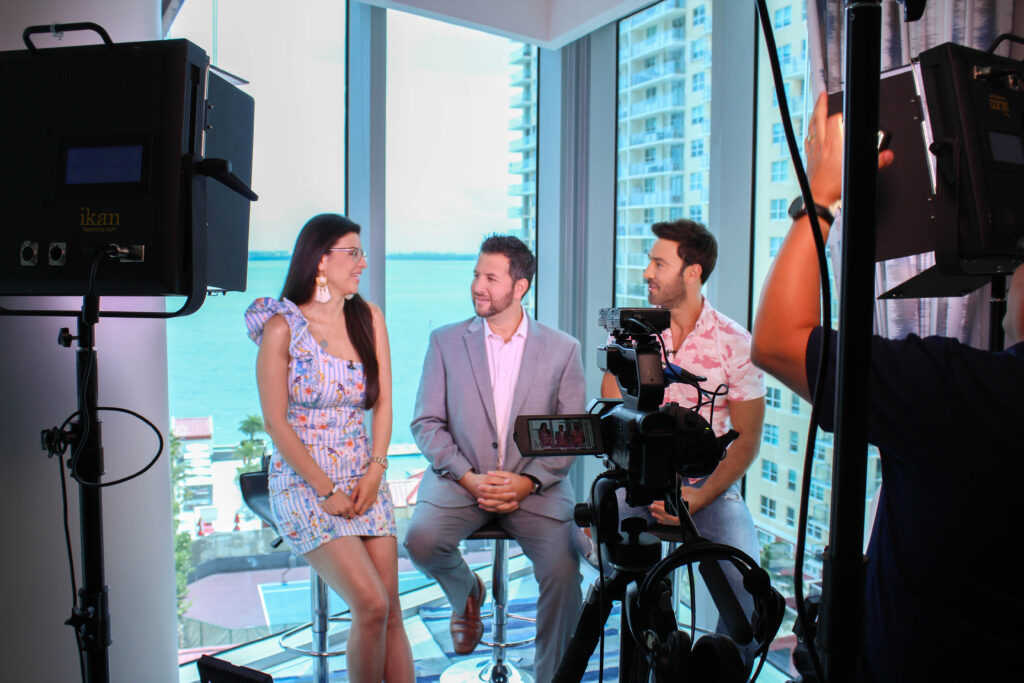
One of the most common interview mistakes is saying too much without actually saying anything. Long, winding answers can cause an important point to get lost, particularly when a spokesperson has several opportunities to communicate a central message. Industry jargon can create a similar problem. What may be familiar language within a company or industry may not resonate with a general audience. Clear, accessible answers are often more effective than technical explanations.
When the Interview Becomes the Story
Bieber’s DealBook appearance also highlights how quickly an interview can take on a life of its own. During the conversation, she was asked about previous comments regarding overconsumption and her position as the founder of a beauty brand that sells consumer products. She acknowledged that she had misspoken in an earlier conversation and clarified what she meant. The exchange illustrates why even seemingly straightforward topics deserve preparation, particularly when a spokesperson’s previous comments may be revisited in a new setting.
A separate rapid-fire exchange, in which Bieber was asked to choose among several competing brands, also generated attention online. While quick questions may seem lighthearted, they can still produce headlines and social media conversations that extend well beyond the original interview.
This is the reality of today’s media environment. Interviews are no longer consumed only in their entirety or by the publication’s original audience. Individual answers are clipped, shared and discussed across social media platforms, often without the surrounding context. A single moment can become the defining takeaway from a much longer conversation.
That brings another challenge into the equation: media literacy. Audiences must navigate an increasingly crowded information environment where reported news, opinion, commentary and speculation can circulate side by side. A short video clip or viral headline may generate a strong reaction, but it does not always provide the full picture. Taking the time to seek out the original interview, understand its context and distinguish reporting from online commentary is essential to forming an informed perspective.
For communicators, this makes preparation even more important. A spokesperson cannot control every headline, social media reaction or interpretation of their remarks. They can, however, take responsibility for making their answers clear, accurate and thoughtful from the outset.
The Work Happens Before the Interview
No interview will ever go exactly as planned. Journalists are expected to ask challenging questions, conversations can move in unexpected directions and even the most experienced spokespeople can have an imperfect moment. Preparation is not about eliminating spontaneity or making every answer sound polished. It is about giving a spokesperson the tools to communicate confidently and effectively when the pressure is on.
The Rhode acquisition was a significant business milestone and an opportunity to tell a broader story about entrepreneurship, brand building and growth. Bieber’s DealBook appearance serves as a reminder that having a compelling story is only part of the equation. Knowing how to communicate that story matters just as much.
In public relations, some of the most important work happens before an interview begins. The research, message development, preparation and practice behind the scenes can make the difference between simply participating in a conversation and making the most of the opportunity.



 See More Blogs
Comments