


Miami has firmly established itself as one of the world’s premier destinations for global sporting events. Miami has established itself as one of the world’s premier destinations for major sporting events. From international tennis and Formula 1 racing to the 2026 FIFA World Cup, the city has fast emerged as a magnet for athletes, media, executives, and fans from around the world.
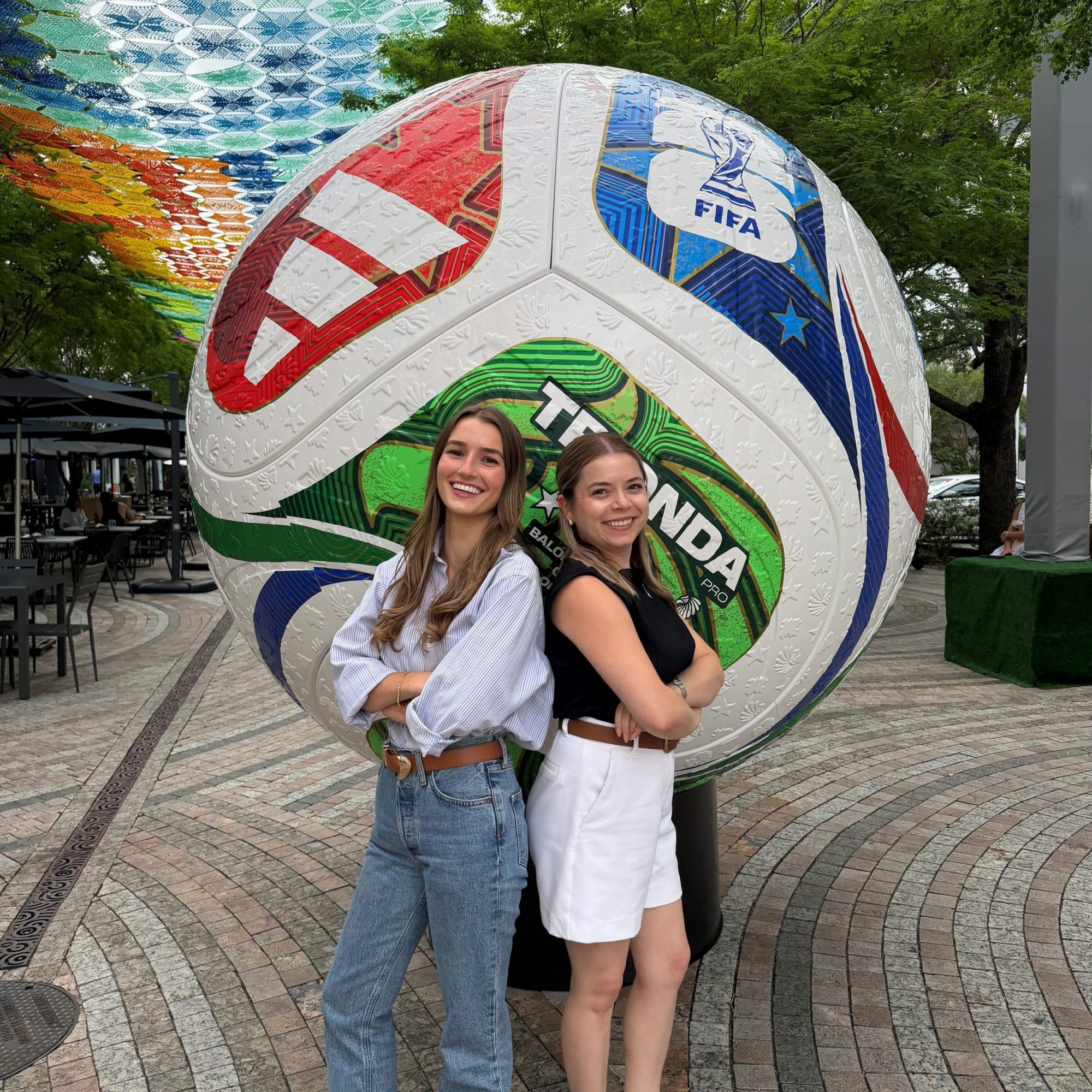
Miami’s global brand appeal, international connectivity, tourism infrastructure, and long list of world-class venues — coupled with an expanding pool of multinational corporations doing business here — is driving this trend.
With South Florida’s calendar of events getting busier and the “get-in price” for official sponsorships increasing, small, midsized, and regional businesses that lack seven-figure marketing budgets are at risk of getting priced out. Fortunately, there are countless opportunities to tap into the hype surrounding these events without breaking the bank.
Victoria Cela Goudie and Wylie Nelson explore this and more in the Sports Business Journal here.
Meanwhile, the South Florida Business Journal recently reported on the tournament’s long-term impact, with Schwartz Media Strategies President Tadd Schwartz featured alongside clients Bilzin Sumberg and Gencom discussing how the World Cup represents another milestone in Miami’s evolution into a global sports and entertainment destination.
“When I was growing up, Miami was a football town — it was all about the Dolphins and Hurricanes,” Schwartz said. “With the arrival of icons like LeBron James, David Beckham and Leo Messi, Miami’s brand has been supercharged by star power and major events.”
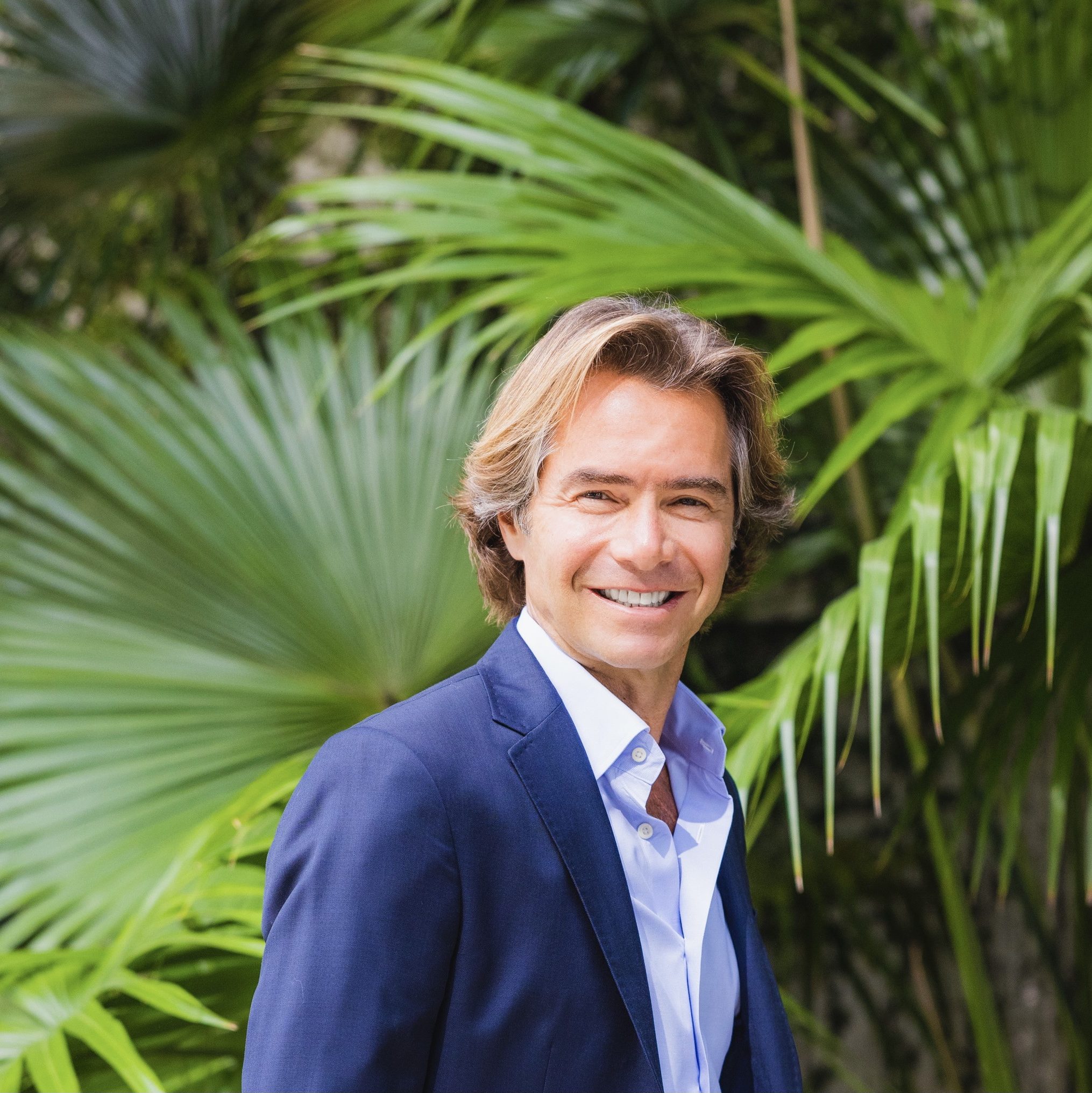
Tadd Schwartz
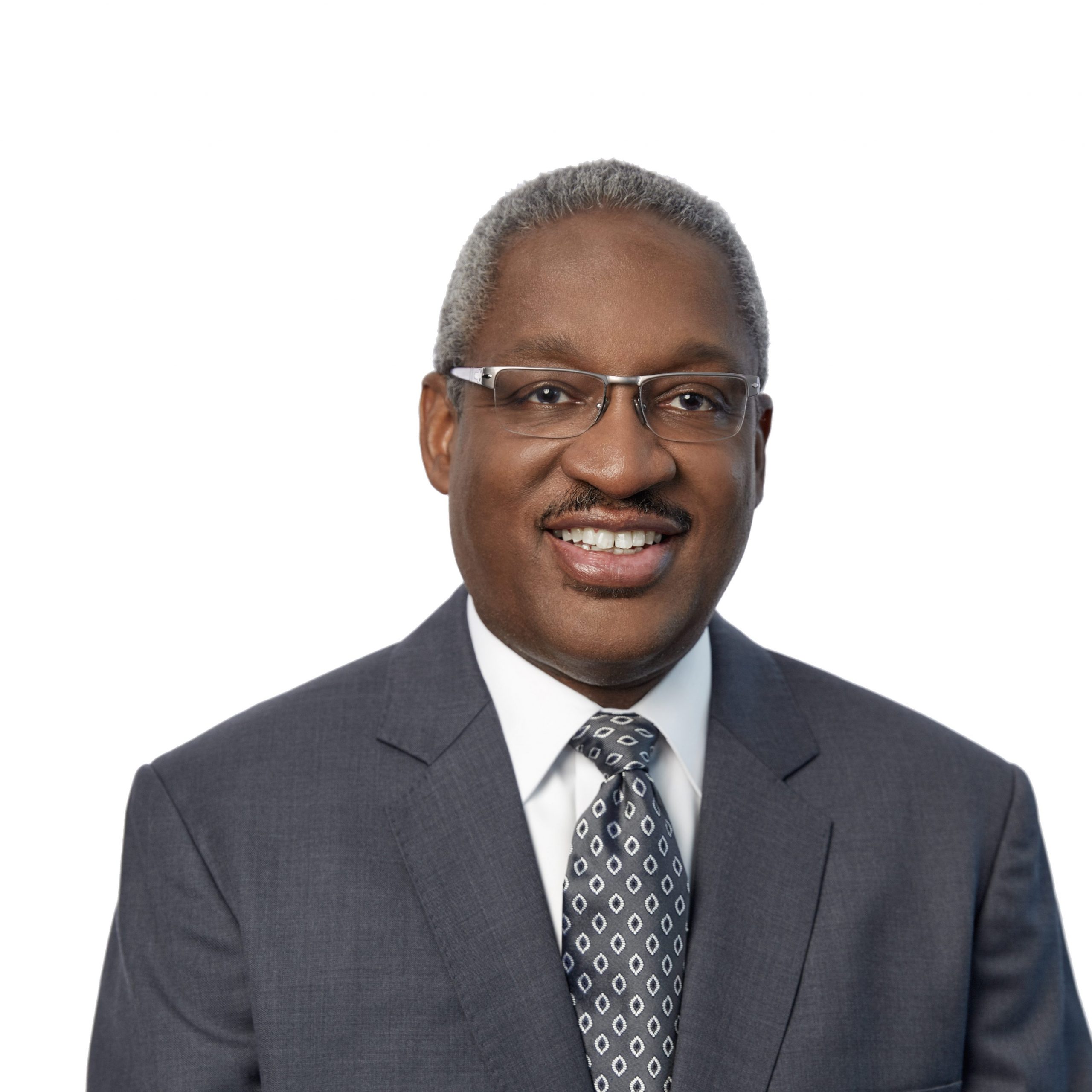
Al Dotson
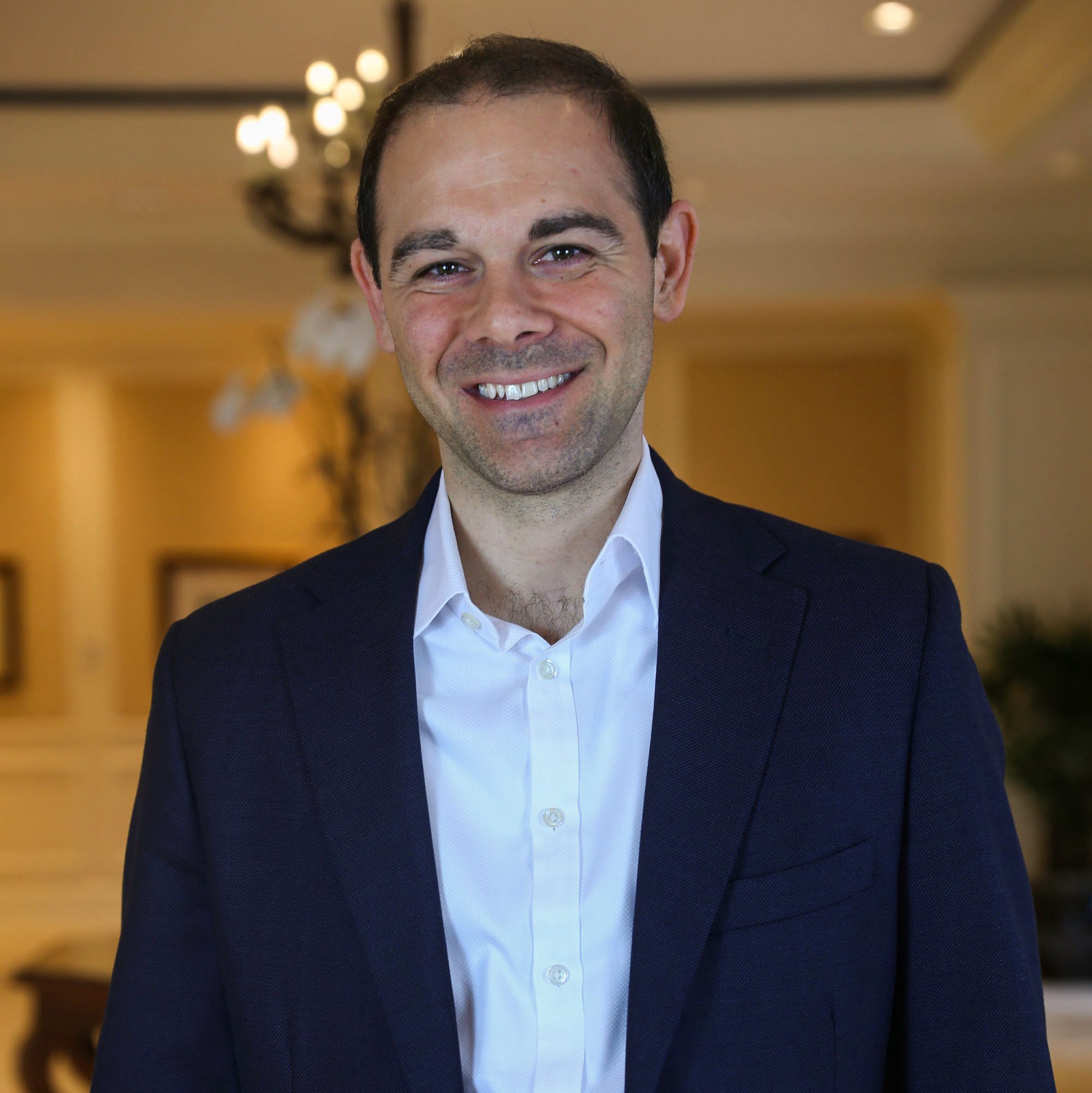
Alessandro Colantonio
Al Dotson, managing partner and CEO of Bilzin Sumberg, which serves as lead outside counsel to the FIFA World Cup 2026 Miami Host Committee, said the tournament is accelerating momentum that has been building for years.
“The World Cup is definitely bringing more attention and activity to Miami, specifically, and South Florida, generally,” Dotson said. “Over the past decade, our region has become a hub for business, tourism and international investment. The World Cup is helping to accelerate the momentum.”
Alessandro Colantonio, chief investment officer at Gencom, said those developments reflect Miami’s evolution from a destination known for occasional championship events into a permanent fixture on the international sports calendar.
“The global exposure elevates Miami’s brand and influences where people choose to invest, build businesses, and put down roots,” Colantonio said.


 See More Blogs
Comments