



Miami is no stranger to real estate hype. From branded residences with lavish amenities to marinas built for the world’s largest superyachts, the real estate community has sewn an aspirational vision of the city.
That branding exercise has been effective: the world’s largest corporations are gravitating toward South Florida, the region’s real estate market is outpacing other cities, and Miami’s global appeal has never been stronger.
But beneath the momentum lies concerns around affordability, infrastructure strain, traffic congestion, stronger hurricanes, and rising sea levels. While action is needed, developers have been reluctant to tackle these issues publicly… until now.
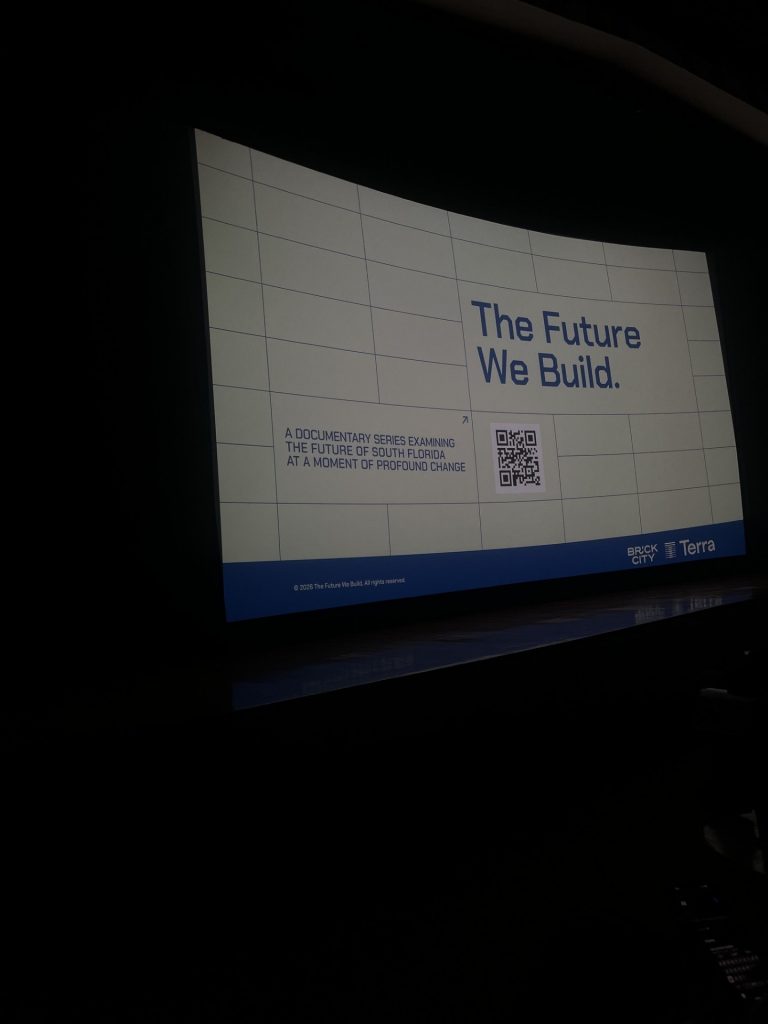
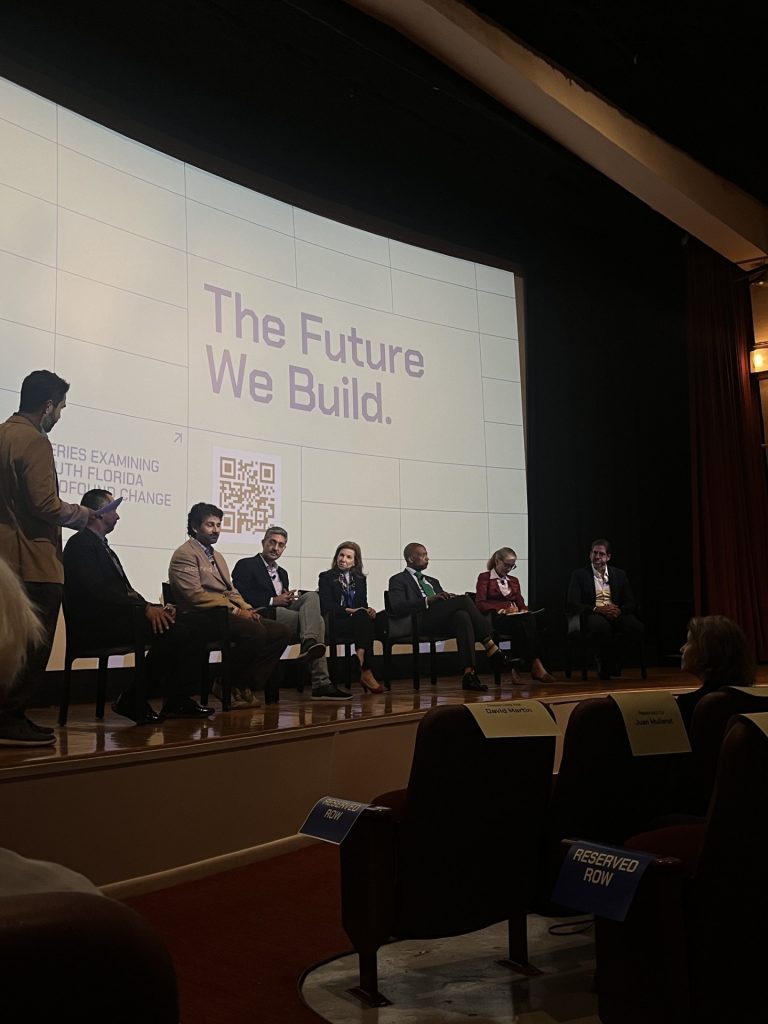
For the past year and a half, Terra CEO David Martin and local filmmaker Yoav Attias have been collaborating on The Future We Build, a four-part, :30-minute documentary exploring the forces shaping South Florida’s future.
The film is a textbook example of how companies are using original content to shape the narrative in their industries and communities – and strengthening their brand in the process. Our team at Schwartz Media Strategies worked behind the scenes developing the concept for the film and we’ve been spreading the word since its release – setting up screening events, securing an in-depth Miami Herald feature, and putting the documentary in front of local influencers who will help shape Miami’s future.
We caught up with Martin and Attias to take a deeper dive into The Future We Build, and how they’re using the film to spark new dialogues and – ultimately – action.
Q: Where did The Future We Build originate, and how did this project come together?
David Martin: The idea grew out of years of conversations about how cities evolve and how the private sector can play a role in shaping progress. This is something we talk about at Terra every day. I saw film as a medium that would allow us to say something and show something in an easy-to-understand format. We wanted to get people talking, and I think we’ve done that with The Future We Build. The finished product is a platform for discussing the challenges and opportunities facing Miami through the lens of people who are building its future.
Yoav Attias: What started as a conversation became a 14-month journey of research, interviews, storytelling, and editing. We set out to document Miami at an inflection point and to capture the ideas, tensions, and possibilities that are defining its next chapter. It was important to keep the film accessible for a range of audiences – everyone from real estate professionals and elected officials, to planners and the public – so we broke it down into thematic chapters that could be consumed together in one sitting, or individually.
Q: David, how does the series reflect your philosophy of “hacking capitalism” through forward-looking development and community building?
Martin: At Terra, we’ve come to understand that development works best when public and private sector actors collaborate to unlock or create value. That’s our approach to hacking capitalism. The film explores how thoughtful investments and advanced planning can generate better social, economic, and environmental outcomes – especially when you zoom out and consider impacts on a city-wide or regional level.
We’ve been addressing many of these challenges at our firm over the past 25 years, but we wanted to externalize the conversation by bringing together subject matter experts who we know and respect and who are on the front lines planning Miami’s future. In essence, we’ve created a piece that speaks to both the public and private sectors.
Miami is one of the most dynamic cities in the U.S., but much of our urban fabric remains shaped by car dependency, fragmented planning, and reactive investments in infrastructure. We can solve this by shrinking distances and building the connective tissue that links neighborhoods – transit, parks, schools, access to housing, and great community spaces. That’s the future we need to build.
Q: Yoav, as a Miami native, what did you learn while producing the series?
Attias: Having covered other cities over the past 20 years, I was always drawn to the idea of coming back and directing a film focused on my hometown of Miami. Last year, our team debuted Fault Lines, a full-length documentary that zeroed in on the San Francisco Housing crisis. Coming off that project, I was interested in doing something similar in South Florida.
Then I met David, and came away with a deeper appreciation for how the private sector fits into the equation. The world’s perception of Miami is often reduced to headlines, but beneath the surface serious conversations are unfolding about resilience, affordability, and innovation. In directing this film, I’ve learned there’s a tremendous amount of talent and creativity focused on these challenges. As someone whose raising a family here, that’s encouraging.
Q: David, how do you envision Terra using this film going forward?
Martin: We consider The Future We Build to be an educational tool, and less so a marketing piece. Each chapter tells a story, and each can be activated to drive home a specific message for a given audience. This film is for anyone who has a vested interest in Miami’s near-term and long-term future. That includes current and prospective residents, policymakers, investors, and community leaders. If viewers come away with a more nuanced understanding of how our city is evolving and the role they can play in that process, then we’ve succeeded.
Q: What gives you optimism about South Florida’s future—and what concerns you most?
Attias: I’m optimistic because of the people. South Florida continues to attract ambitious, inventive, entrepreneurial thinkers. My biggest concern is whether we are moving quickly enough to address the challenges we face.
Martin: What excites me is Miami’s ability to reinvent itself, which we’ve been doing for more than a century. What keeps me up at night is complacency and I think that’s a sentiment shared by the voices in the film. The future isn’t something that happens to us; it’s something we must build.
Learn more at https://www.thefuturewebuildfilm.com/.


 See More Blogs
Comments