



Virginia Key is at a pivotal moment. After years of stalled plans and underutilized waterfront properties, several major projects are moving forward that could reshape one of Miami’s most important public destinations. From a new vision for the Miami Seaquarium to the restoration of the historic Miami Marine Stadium, these efforts share a common goal: reinvesting in the island, improving public access to Biscayne Bay and creating more opportunities for residents and visitors to enjoy Miami’s waterfront.
Among these initiatives, the proposed redevelopment of the Rickenbacker and Virginia Key Marinas presents a particularly significant opportunity. After years of planning, Miami voters will have a chance to weigh in on a proposal designed to bring substantial private investment, upgraded infrastructure and new public amenities to the waterfront. Together, these projects represent an opportunity to move Virginia Key forward while preserving what makes it special.
Miami Seaquarium
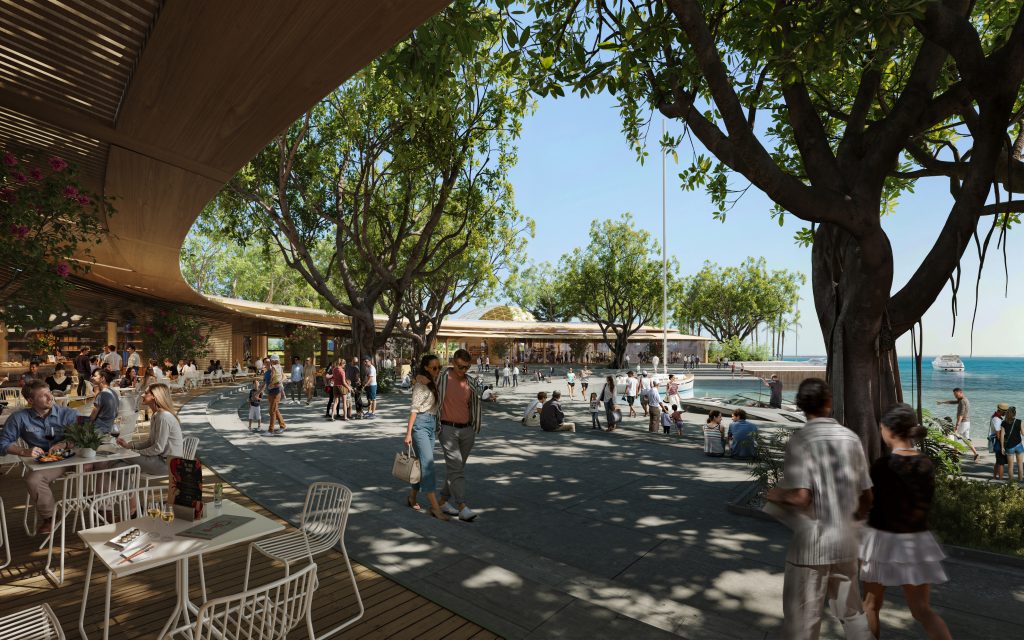
Following its closure after decades of operation, the Miami Seaquarium is entering a new chapter under the ownership of David Martin’s Terra. Plans for the site are expected to advance through Miami-Dade County’s review process, building on prior approvals and continued engagement with the surrounding community.
The evolving vision includes opportunities for improved public waterfront access, environmental upgrades and a new marina. As the County considers the site’s future, the priority will be ensuring that this prominent waterfront property can better serve the community while contributing to the broader revitalization of Virginia Key.
Rickenbacker and Virginia Key Marinas: An Opportunity to Move Forward
The proposed redevelopment of the Rickenbacker and Virginia Key Marinas by Virginia Key LLC, a joint venture between RCI Group and Suntex Marinas, offers Miami an opportunity to address long-standing infrastructure needs and open up the waterfront for public enjoyment.
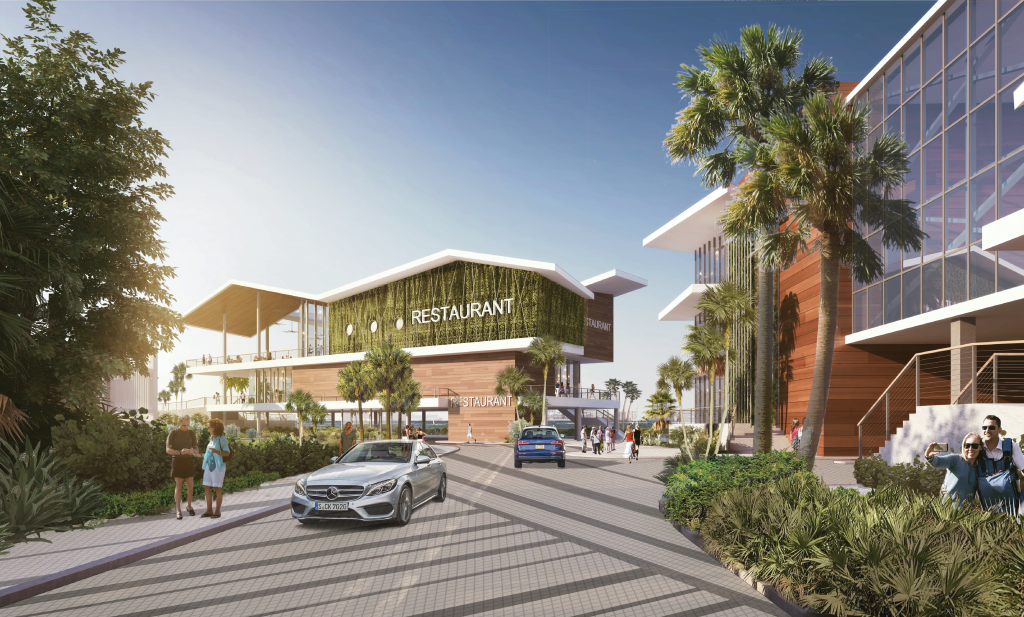
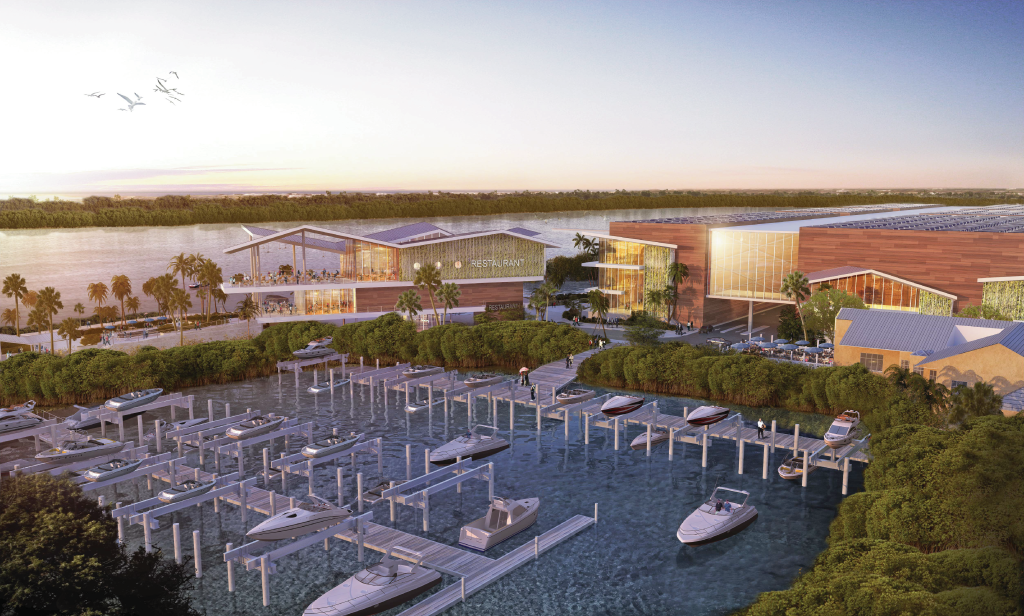
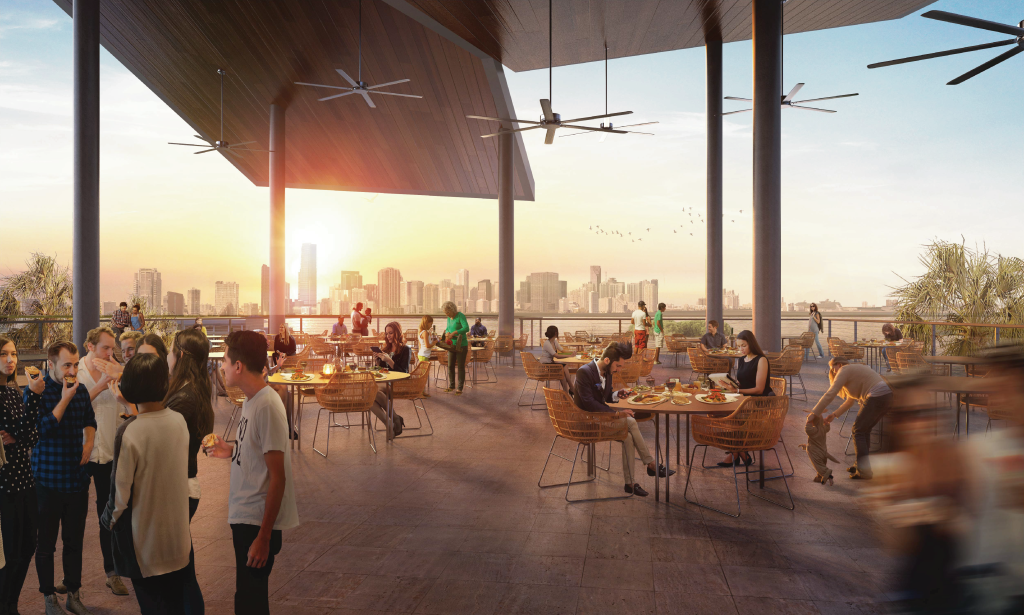
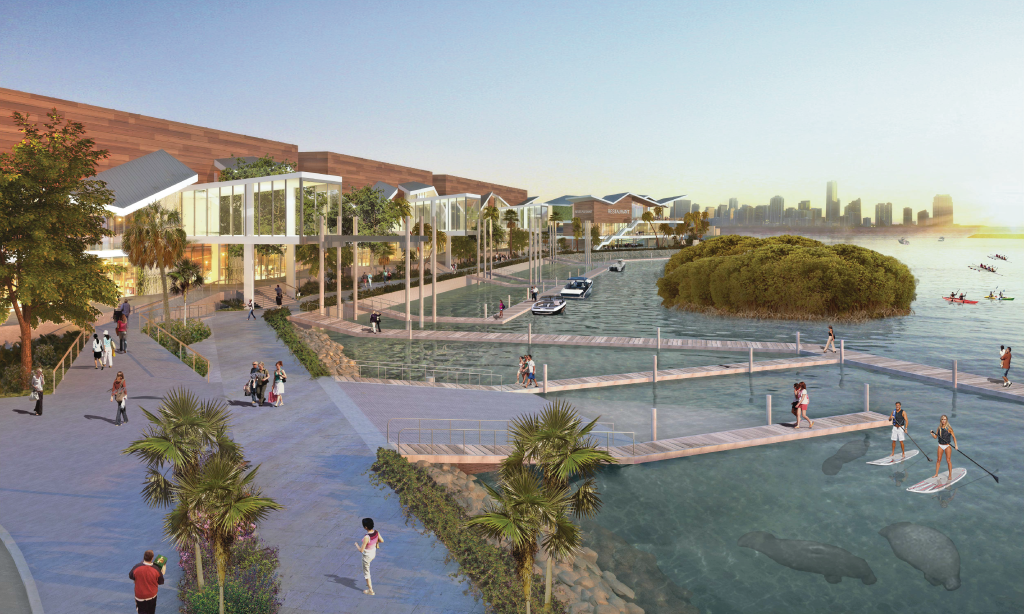
After years of planning and review, including litigation and a weaponization of the courts by the current marina operator,the proposal is advancing toward a public vote. It calls for more than $80 million in privately funded improvements, without taxpayer funding for the proposed revitalization. Planned enhancements include upgraded marina infrastructure, a new baywalk and additional public amenities designed to improve the waterfront experience and expand opportunities to enjoy Biscayne Bay.
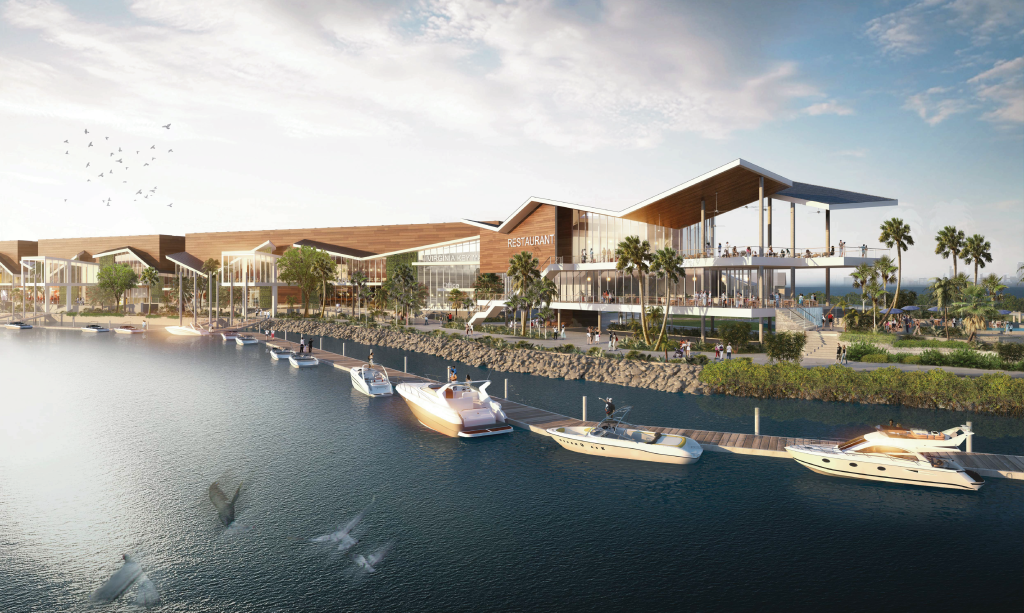
The proposal also offers a potential financial benefit to the City. Under the proposed agreement, the City would receive a guaranteed minimum annual base rent of $2.2 million, compared with the $360,000 currently paid by the incumbent operator, along with 6% of gross revenues. Environmental and resiliency commitments include pursuing Florida Clean Marina designation and LEED certification.
These improvements could help transform an aging marina area into a more accessible, modern and welcoming waterfront destination for everyone – regardless whether they own a boat or not. Rather than allowing existing conditions to persist, Miami has an opportunity to advance a privately funded plan that combines infrastructure investment, public amenities and a new source of revenue for the City.
As voters consider the marina proposal, the central question is whether Miami should seize this opportunity to open up and improve an important public waterfront.
Miami Marine Stadium: Restoring an Icon
The historic Miami Marine Stadium, built in 1963 and closed following Hurricane Andrew, is another essential part of Virginia Key’s future. After decades of planning and setbacks, restoration efforts are advancing to bring the architecturally significant structure back into active use as a cultural and event destination.
Infrastructure work and continued planning represent important steps toward preserving the stadium for future generations. Its restoration could help reconnect Miami residents and visitors with a landmark that has long been part of the city’s cultural identity, while complementing improvements elsewhere on the island.
Miami has an opportunity to turn years of planning into meaningful progress. Supporting responsible waterfront revitalization is an investment in the future of Virginia Key and in the public spaces that make this city unique.


 See More Blogs
Comments