


By Yudi Fernandez Kim, Partner, Schwartz Media Strategies
For decades, South Florida had a familiar rhythm: winter brought visitors, spring brought even more, and by late summer and early fall, the region settled into what locals affectionately called the “slow season.” Hotels had more breathing room, restaurants eased into quieter weeks, and the pace of business seemed to slow down.
That rhythm is changing. Today, South Florida’s hospitality market is increasingly defined by sustained year-around demand, global visibility and a steady stream of investment. The calendar still has peaks and valleys, but the traditional “off-season” is becoming harder to recognize.

The numbers tell the story
The 2026 FIFA World Cup offered a particularly revealing snapshot. Miami emerged as one of the soccer tournament’s strongest-performing U.S. host markets, with hotel performance driven overwhelmingly by pricing power. During the final week of the group stage, Miami led major U.S. hotel markets with a 51.6% increase in RevPAR, while average daily rate jumped 51.1%. Earlier in the tournament, Miami’s RevPAR was up 38%, with ADR increasing 37.6% year over year.

The significance goes beyond the World Cup itself. CoStar’s hospitality analysts have noted that rate growth has been stronger than expected across the U.S. in 2026 and that the strength extends beyond World Cup host cities. In Miami, the distinction is particularly relevant: demand is increasingly supported not just by traditional peak-season tourism, but by international events, luxury travel, business activity and travelers willing to pay for the experience.
Capital doesn’t take the summer off
Investment activity provides another signal that South Florida’s appeal is no longer confined to determined periods of high-demand.
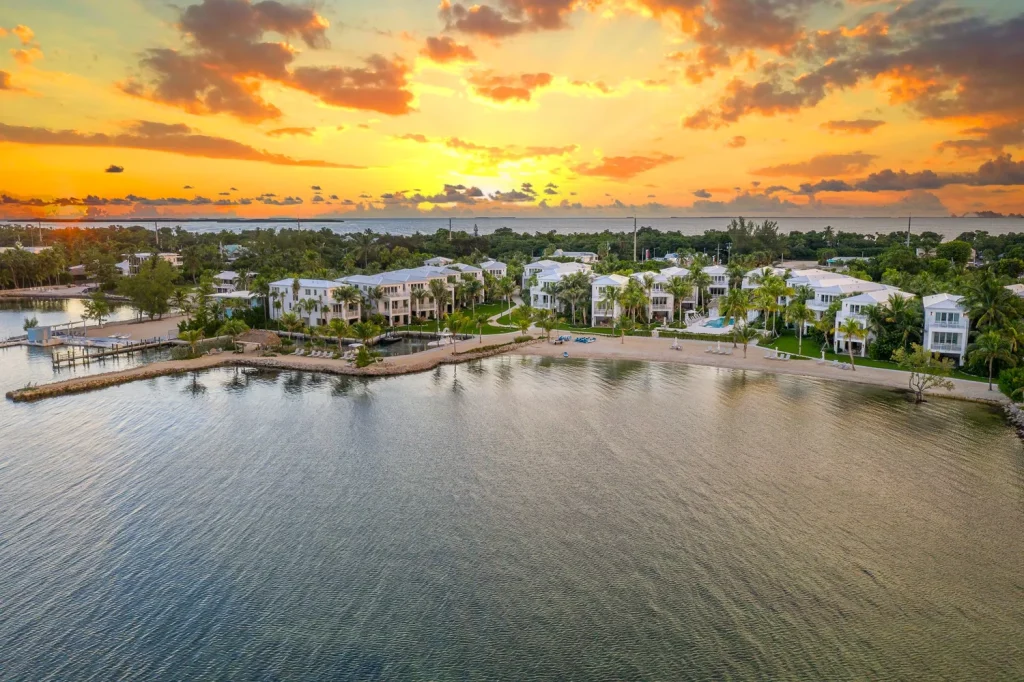
In August, Mast Capital, in partnership with Koch Real Estate Investments, acquired The Islands of Islamorada Resort in the Florida Keys. The multi-million-dollar acquisition adds a seven-acre waterfront resort with 22 villas and eight hotel suites to Mast’s growing hospitality portfolio. The deal is telling not simply because of the asset, but because of the rationale behind it: Mast cited the Keys’ constrained supply, high barriers to entry and strong year-round occupancy as key attributes of the market. This transaction, along with the Pier House resort in Key West and the Cheeca Lodge & Spa in Islamorada, represent three major luxury resorts to trade hands in the Florida Keys over the past three months.
That is a very different investment thesis from one built around a handful of peak months. It reflects confidence that South Florida’s leisure destinations can generate value throughout the year.
Miami-based real estate investment and development firm Gencom offers another example of how the region’s hospitality sector is evolving. In a recent Commercial Observer interview, Founder and CEO Karim Alibhai discussed the company’s growing focus on high-end hospitality, where luxury properties can command significant premiums for differentiated experiences. Gencom’s portfolio has expanded into sought-after markets like New York City in recent years, and the firm recently announced the creation of two dedicated business lines — Gencom Capital and Gencom Real Estate — as part of its next phase of global growth.
The message is clear: hospitality is no longer simply a game of filling rooms. It is increasingly about creating distinctive experiences, attracting high-value travelers and building and investing in assets that can perform across multiple demand cycles.
The pipeline keeps growing
Perhaps the clearest evidence of long-term confidence is what continues to be built. In Miami-Dade alone, there are approximately 93 hotels in the construction pipeline that would add about 19,300 hotel rooms to the county’s 66,000-room supply, according to CoStar data.
In July, Miami Beach celebrated the topping off of the 800-room Grand Hyatt Miami Beach, a landmark convention-headquarters hotel directly connected to the Miami Beach Convention Center. Scheduled to open in late 2027, the project is designed to help the city compete for larger conventions and strengthen Miami Beach’s position as a global meetings destination.
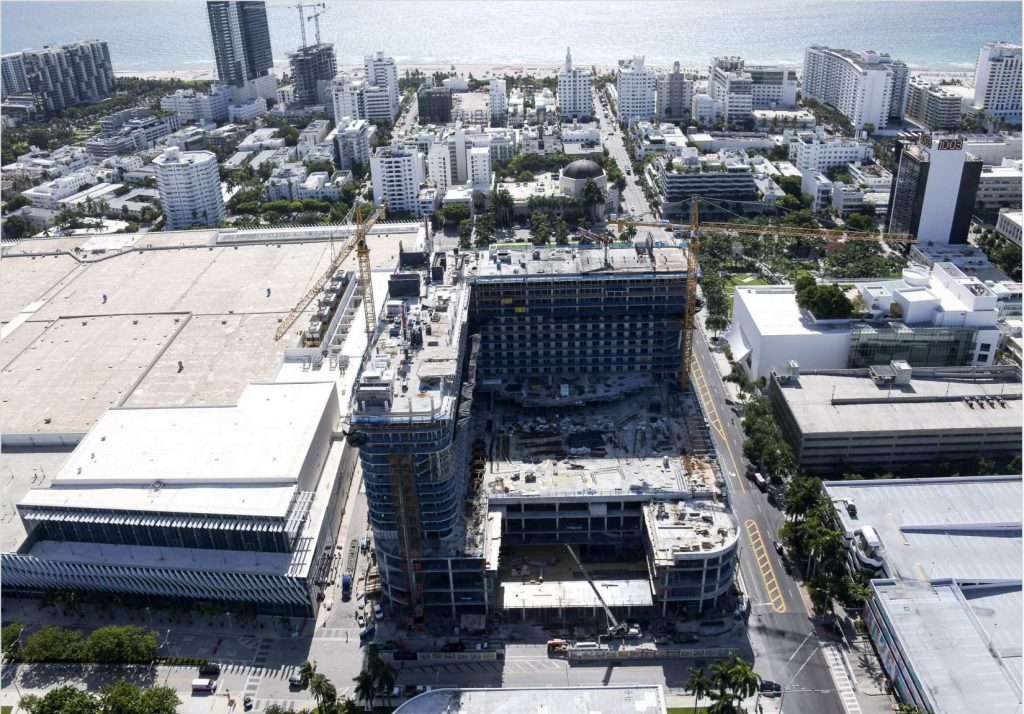
A project of that scale is not a bet on one season. It is a bet on the next decade.
The new South Florida rhythm
Put the pieces together — strong hotel rates, continued investment, luxury-focused hospitality investment and a major development pipeline — and a broader trend emerges.
South Florida has matured into a year-round global destination. The market may still experience periods of greater or lesser intensity, but the old assumption that late summer means business effectively stops no longer holds.
The diversity of our hotel offerings and our dynamic destinations across the tri-county area are redefining our hospitality landscape in a meaningful way.
For investors, developers, hoteliers and businesses, South Florida is increasingly always active, always investable and always in demand.



 See More Blogs
Comments