



For decades, Coconut Grove was known as Miami’s bohemian enclave – a waterfront neighborhood defined by banyan trees, marinas and a laid-back character distinct from the vertical intensity of Downtown Miami and Miami Beach. Today, it is one of the country’s most sought-after residential markets.
Recent reporting by The Wall Street Journal and South Florida Business Journal highlights the Grove’s emergence as a destination for ultra-high-net-worth buyers seeking a different kind of luxury – one defined by privacy, walkability and a strong sense of place. High-profile investors, including Larry Page and Ken Griffin, have helped bring national attention to the neighborhood.
The shift has been more than a decade in the making.
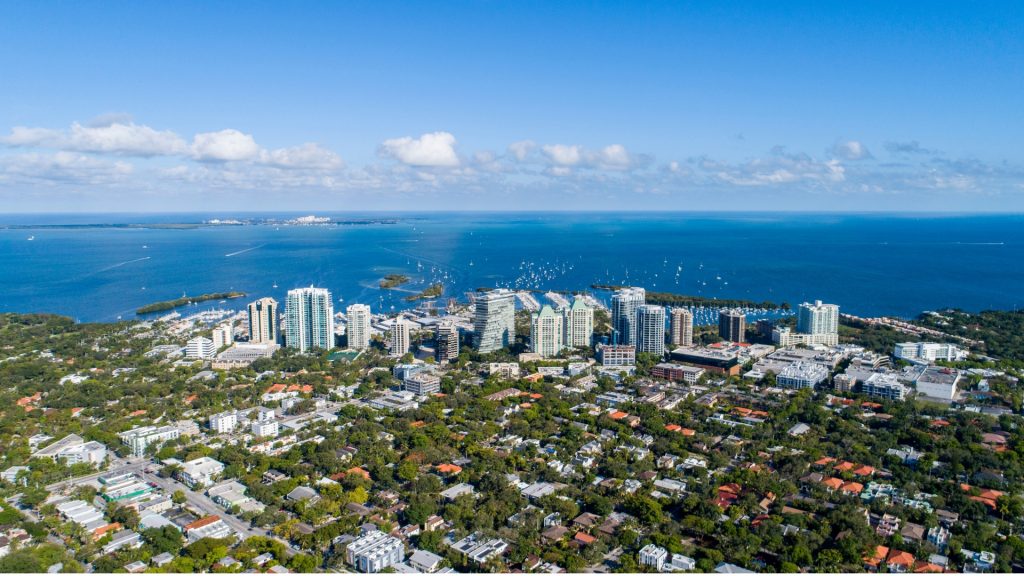
A new wave of residential development began drawing affluent, full-time residents priced out of, or disinterested in, more traditional luxury enclaves. The Grove’s combination of waterfront access, greenery and village-scale density proved compelling. Over time, that demand reshaped both the housing market and the local economy.
Condominiums at the Center of the Shift
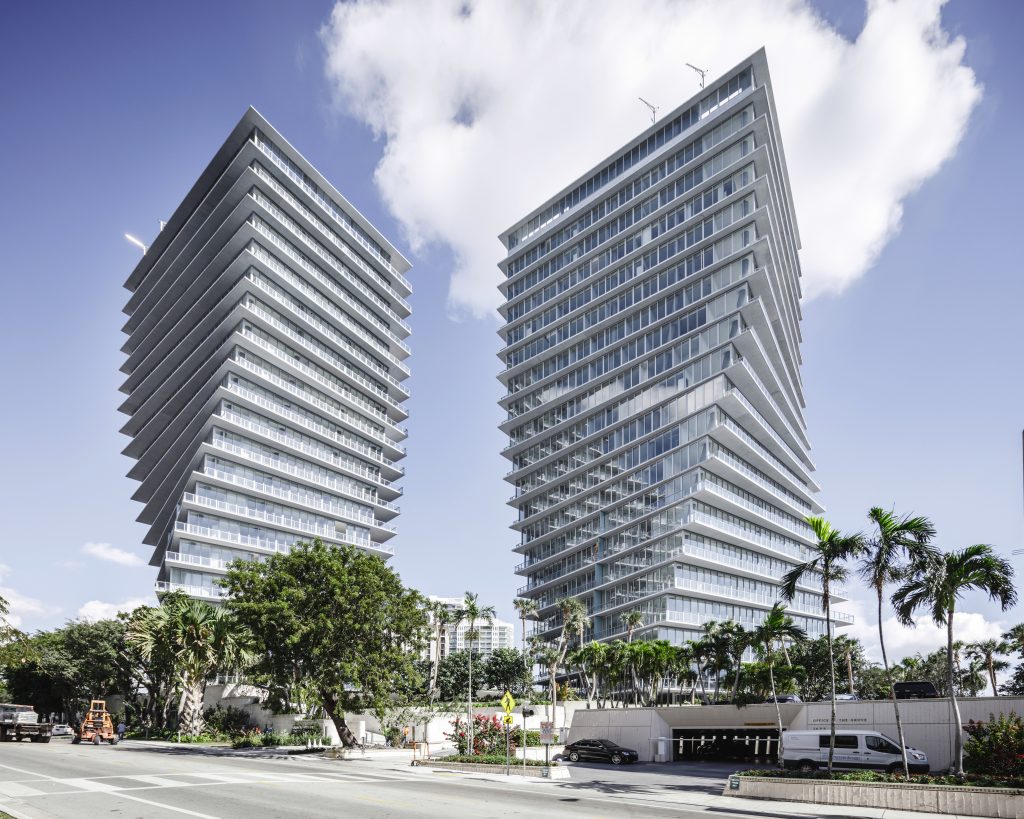
Luxury condominiums have been central to the neighborhood’s transformation. A decade ago, large-scale, high-end condo development was largely unproven in Coconut Grove.
“People thought I was crazy.” — David Martin, Terra
That early skepticism has given way to record-setting pricing and a broader buyer pool.
“The buyers looking for that, before they would only consider Miami Beach. Now those buyers have Coconut Grove on their radar.” — Ugo Colombo, CMC Group
New projects, including Four Seasons-branded residences now in development, are pushing pricing into uncharted territory, with units starting around $5 million and penthouses expected to command significantly more.
The data underscores the shift. According to The Wall Street Journal, the median single-family home price in Coconut Grove reached roughly $2.35 million in late 2025, more than double its 2019 level. Top-tier condominiums now regularly exceed $20 million.
As capital flowed in, the broader neighborhood followed. Retail repositioned. Restaurants became regional draws. Office users arrived. The redevelopment of CocoWalk marked a turning point, helping catalyze renewed investment across the district.
That evolution was supported by a network of developers, brokers and advisors who have shaped the Grove’s trajectory over time. Schwartz Media Strategies has represented many of these stakeholders, including Federal Realty Investment Trust, Terra, CMC Group, 13th Floor Investments, JLL, Comras Company and the Coconut Grove BID – many of whom played a role in repositioning the neighborhood into a leading live-work-play destination.
Despite the influx of capital, Coconut Grove has retained its defining characteristics. Its appeal remains rooted in its canopy-lined streets, waterfront access and walkable core marking all qualities that continue to differentiate it from more densely built urban markets.
Today, the neighborhood is home to a growing concentration of firms including Terra, 13th Floor Investments, Mast Capital, Gencom and Ratzan Weissman & Boldt, reflecting its emergence as both a residential and business hub.
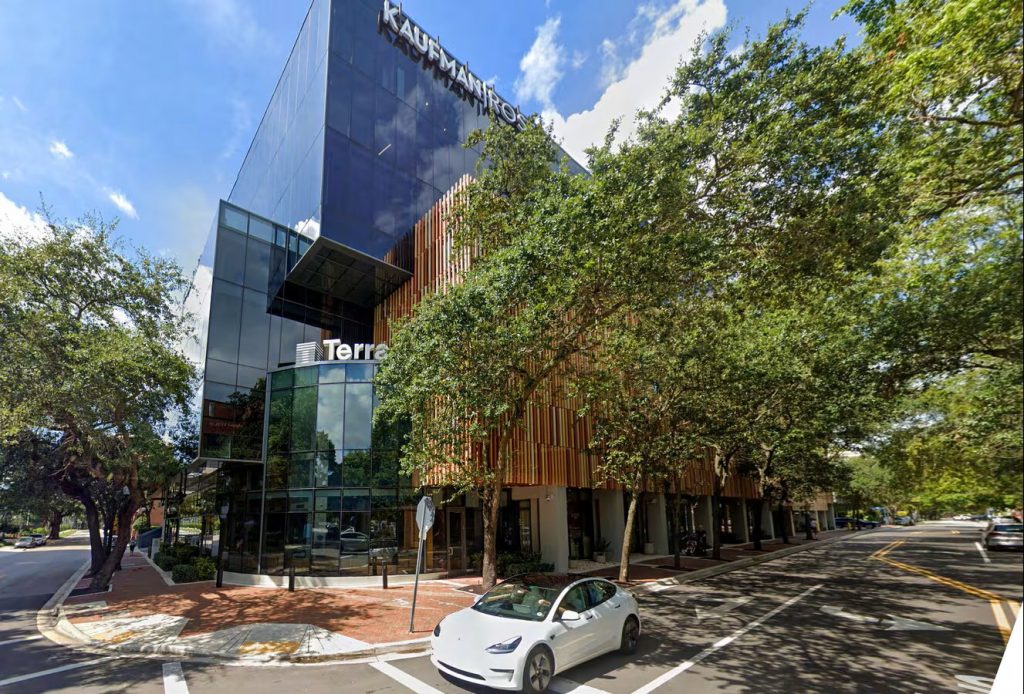
In a region defined by rapid cycles of growth, Coconut Grove stands out for a different reason: its ability to evolve without losing the attributes that made it valuable in the first place.
Watch our Coconut Grove neighborhood spotlight.


 See More Blogs
Comments